

Psilocybin & Cancer Care
A Clinical Reference for Oncologists and Palliative Care Clinicians
What is Psychedelic Assisted Therapy?
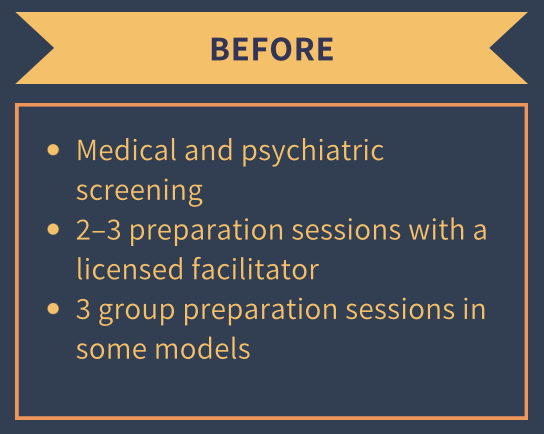
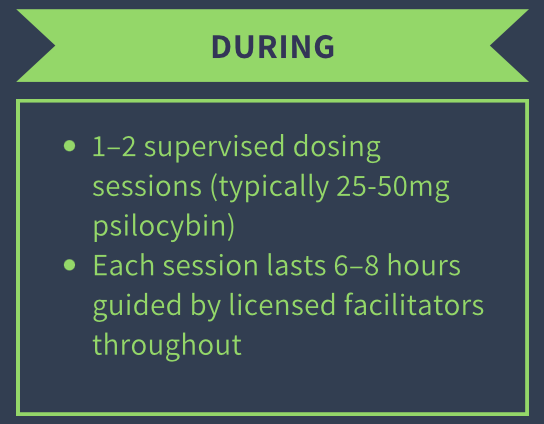
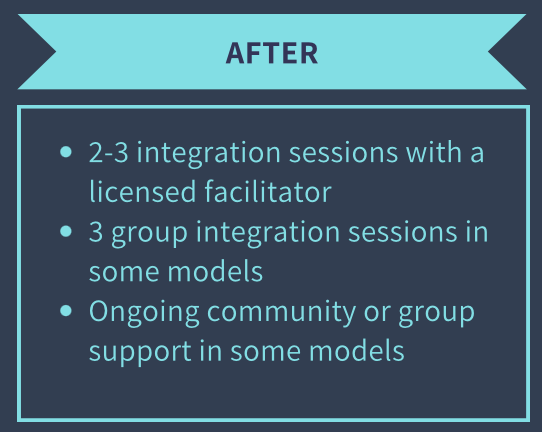
Defining the Best-Practice Model
This is a structured, evidence-based intervention
Psilocybin is a serotonin 5-HT2A agonist. At therapeutic doses, it produces transient disruption of the default mode network, associated with increased neuroplasticity, ego dissolution, and shifts in perspective on mortality and meaning
Is Psilocybin Safe?
Drug Safety: Overall Weighted Scores for Each of the Drugs
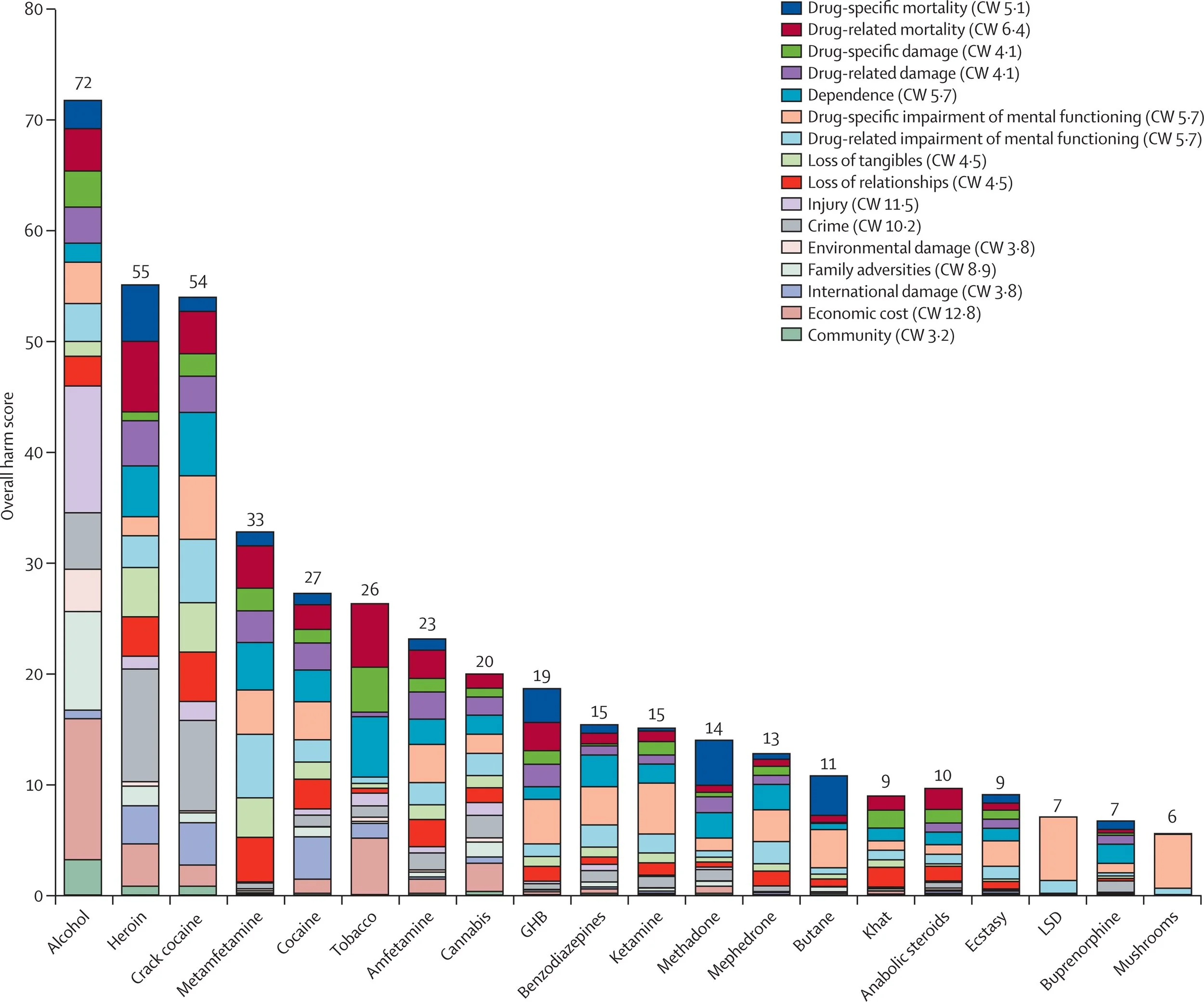
Nutt D, King L, Phillips L., Drug harms in the UK: a multicriteria decision analysis. The Lancet, 2010; 376, 1558-1565
While nothing is completely “safe,” psychedelics are relatively less likely to cause harm compared to other substances (such as alcohol). Psilocybin presents the lowest risk in a 20-substance comparison study*
Essential Safety Precautions
Screen for psychiatric conditions (psychosis, severe personality disorders)
Check for drug interactions with current medications by a medical professional
What your Patients are Asking: Top 10 Questions
Can psilocybin help with cancer-related anxiety, depression, or fear of recurrence?
The best current evidence suggests that, in carefully screened and supported settings, psilocybin may help reduce depression, anxiety, demoralization, and existential distress in some people facing cancer or other life-threatening illness. But the research is still relatively small, and psilocybin is not a universal or guaranteed solution.
Does psilocybin treat cancer itself?
No. There is no evidence that psilocybin shrinks tumors, treats cancer, or prevents recurrence. In oncology, interest in psilocybin is about psychological, existential, and quality-of-life support, not cancer treatment.
Is psilocybin safe during or after cancer treatment?
Sometimes, but not always. Safety depends on the patient’s diagnosis, symptoms, treatment status, cardiovascular health, psychiatric history, and medications. Clinical trials generally involve careful screening and exclude many medically complex patients, so real-world decision-making should be individualized and conservative.
What about SSRIs and other antidepressants?
This is one of the most common medical questions. Some psilocybin studies historically required people to taper off SSRIs because they might cause toxicity, reduce or alter the effects. More recent evidence suggests psilocybin can be administered safely in combination with one alongside one other SSRI in selected patients, but the evidence is still evolving. Patients should never stop SSRIs abruptly on their own, especially during cancer care.
What if I have brain metastases, a seizure history, or another neurologic issue?
This deserves extra caution. Psilocybin is thought to reduce seizure thresholds. People with brain metastases, primary brain tumors, seizure risk, or significant neurologic symptoms are often excluded from research studies, which means the safety data are limited. These cases may require more specialized review and should not be approached casually.
Could psilocybin interact with cancer medications?
Possibly. Questions often come up around chemotherapy, endocrine therapy, immunotherapy, opioids, benzodiazepines, sleep medications, and antidepressants. The evidence is still incomplete, so medication review should be individualized, especially for people in active treatment or with multiple medical issues and medications.
Who may need specialized medical screening before considering psilocybin?
Patients with active cancer treatment, advanced disease, brain metastases, seizure history, major cardiovascular concerns, liver dysfunction, significant psychiatric history, or complex medication regimens often benefit from screening by clinicians who understand both oncology and psychedelic risk assessment. This is especially important when standard research criteria do not neatly fit the patient’s situation.
Is microdosing the same as psilocybin-assisted therapy?
No. Most of the strongest evidence in serious illness involves one or a few supervised, higher-dose sessions with substantial preparation and integration support, not casual or self-directed microdosing. Patients should not assume these are interchangeable.
Is psilocybin legal?
It depends on the setting and the state. In the U.S., psilocybin remains federally illegal outside research, but some states have created regulated access pathways. Legal status matters because screening, supervision, and safety standards differ significantly across settings.
How should patients talk with their oncologist about psilocybin?
The best place to start is with honesty about goals, symptoms, medications, and medical history. Patients may not be asking for a recommendation so much as a thoughtful conversation about risk, eligibility, and what kind of support would make this safer. For medically complex cases, referral to clinicians familiar with both cancer and psychedelic screening may be appropriate.
A note on medical complexity
Some cancer patients interested in psilocybin may require more specialized screening than a general mental health or wellness setting can provide. Survivorship Collective encourages medically complex participants, including those with active treatment, brain metastases, or significant medication considerations, to work with qualified medical professionals familiar with both oncology and psychedelic safety, including Cascade Psychedelic Medicine when appropriate.
Who Requires Specialized Screening?
Standard research inclusion criteria often don't map onto complex oncology patients. These cases warrant specialist review.
Brain metastases or primary brain tumor
Psilocybin may lower seizure threshold; limited safety data in this population; often excluded from all published trials
Seizure history or elevated seizure risk
Same mechanism concern; requires neurologic review
Significant psychiatric history
Personal or family history of psychosis, bipolar I, or active suicidality are standard exclusions in all research protocols
Significant cardiovascular concerns and/orlLiver dysfunction
Psilocybin produces transient increases in heart rate and blood pressure; cardiac clearance may be needed. Psilocybin is hepatically metabolized; dysfunction may alter dosing and safety profile
Advanced Illness & Clinical Trial Considerations
For patients who have undergone multiple lines of treatment or who are in clinical trials, psilocybin requires careful coordination with their medical team to avoid interfering with protocols or outcomes. At this stage, care is highly individualized, with close monitoring of symptoms and timing. Because this often coincides with advanced illness or end-of-life, retreat or group settings may not be appropriate. More flexible, medically aligned approaches that prioritize comfort, safety, and dignity are typically better suited.
Legal and Access Landscape
The legal landscape is expanding rapidly. Supervision standards vary significantly across settings.
FEDERAL STATUS:
Schedule I federally — no FDA-approved indication as of 2025
Clinical trials remain the most medically supervised access pathway — searchable at ClinicalTrials.gov
STATE FRAMEWORKS
Oregon (Measure 109)
Operational since 2023
Licensed facilitators, approved service centers
No medical supervision mandate
Colorado (Prop 122)
Licensed healing centers now operational; trained facilitators; no medical supervision mandate
Adults 21+ may also possess, cultivate, and gift psilocybin outside any supervised framework
New Mexico (SB 219, signed April 2025)
Explicitly medical framework: licensed clinicians, approved facilities, qualified conditions include end-of-life care
First patients expected end of 2026
Landmark Randomized Controlled Trials
Griffiths et al. (2016) — Journal of Psychopharmacology
51 patients with advanced cancer
Randomized, double-blind, crossover
High-dose psilocybin produced large reductions in depression and anxiety; effects sustained at 6 months; significant reductions in death anxiety
Ross et al. (2016) — Journal of Psychopharmacology
29 patients with life-threatening cancer
Randomized controlled trial
Significant reductions in anxiety and depression sustained over 6 months; ~80% of participants reported lasting improve
Agrawal et al. (2023/2025) — CANCER, Journal of the American Cancer Society (two year follow-up)
28 cancer patients diagnosed with major depressive disorder
Single 25mg dose psilocybin + psychological support; 2-year longitudinal follow-up
At 2 years: 53.6% showed significant depression reduction; 50% sustained depression reduction; 42.9% sustained anxiety reduction; 25% achieved lasting benefit without additional psychiatric medication
Systemic Reviews & Meta-Analyses
Lapid et al. (2025) — Palliative & Supportive Care
14 studies reviewed
Consistent improvements across depression, anxiety, and existential distress in cancer and serious illness populations
Schuman et al. (2025) — Current Oncology
Systematic review and meta-analysis
Large effect sizes for both depression and anxiety in cancer patients specifically
Bader et al. (2024) — World Journal of Clinical Oncology
Meta-analysis of 7 studies
Significant improvements in anxiety, pain control, and quality of life
Haikazian et al. (2023) — Psychiatry Research (University of Toronto / University Health Network)
Systematic review and meta-analysis of psilocybin-assisted therapy for depression across life-threatening illness and MDD populations
Consistent antidepressant effects across both cancer and non-cancer populations; supports generalizability of the signal
Sousa Matos et al. (2026) — Palliative Medicine
6 studies, 74 participants in palliative care settings specifically
57–79% of participants achieved 50% or greater symptom reduction on standardized scales; improvements sustained up to 6–8 months in most trials;
Adverse effects generally mild and transient with no serious adverse events observed
UCSF — Pragmatic Trial of Psilocybin Therapy in Palliative Care
Phase 2, triple-blind RCT
Comparing psilocybin to ketamine for demoralization in life-threatening illness
Started January 2025 — expected completion December 2027
University of Colorado Anschutz + NYU Langone — Late-Stage Cancer Psilocybin Study
Funded by the National Cancer Institute
Evaluating psilocybin-assisted therapy for psychiatric and existential distress in late-stage cancer
Multi-site collaboration
PsyPal Project — University Medical Center Groningen (UMCG)
European multi-site collaboration: Copenhagen, Stockholm, Uppsala
Palliative care focus; psychological distress outcomes
Psyence Biomed — Phase IIb Trial — Adjustment Disorder in Palliative CareNature-derived psilocybin (Australia)
Topline data expected 2026
Notable for targeting adjustment disorder specifically
References
Landmark RCTs
Griffiths, R.R., et al. (2016). Psilocybin produces substantial and sustained decreases in depression and anxiety in patients with life-threatening cancer: A randomized double-blind trial. Journal of Psychopharmacology, 30(12), 1181–1197.
Ross, S., et al. (2016). Rapid and sustained symptom reduction following psilocybin treatment for anxiety and depression in patients with life-threatening cancer: A randomized controlled trial. Journal of Psychopharmacology, 30(12), 1165–1180.
Agrawal, M., et al. (2023/2025). Psilocybin-assisted group therapy in patients with cancer diagnosed with a major depressive disorder. CANCER, Journal of the American Cancer Society. (2-year follow-up data)
Systematic Reviews and Meta-Analyses
Lapid, M.I., et al. (2025). Evaluating the effectiveness of psilocybin in alleviating distress among cancer patients: A systematic review. Palliative & Supportive Care.
Schuman-Olivier, Z., et al. (2025). Psychedelic-assisted therapies for psychosocial symptoms in cancer: A systematic review and meta-analysis. Current Oncology.
Bader, M., et al. (2024). Investigating the therapeutic efficacy of psilocybin in advanced cancer patients: A comprehensive review and meta-analysis. World Journal of Clinical Oncology.
Haikazian, S., et al. (2023). Psilocybin-assisted therapy for depression: A systematic review and meta-analysis. Psychiatry Research.
Sousa Matos, et al. (2026). Psilocybin-assisted therapy in palliative care: A systematic review. Palliative Medicine.
Active Trials
NCT05403086 — UCSF Pragmatic Trial of Psilocybin Therapy in Palliative Care. ClinicalTrials.gov.
NCT05398484 — University of Colorado Anschutz + NYU Langone Psilocybin Cancer Trial. ClinicalTrials.gov.
PsyPal Project — University Medical Center Groningen. umcgresearch.org/w/psypal
ANZCTR 12624000449538p - Psyence Biomed Phase IIb Trial. anzctr.org.au
Legal Disclaimer
This material is provided for informational and educational purposes only and is not intended as medical advice, diagnosis, or treatment. It does not establish a physician–patient relationship or substitute for consultation with a qualified healthcare professional.
Psilocybin remains a federally controlled substance in the United States and is only legally accessible in certain regulated settings or approved research studies. Laws and regulations vary by jurisdiction, and individuals are responsible for understanding and complying with applicable laws. The information presented reflects emerging research and clinical perspectives but is not exhaustive and may not apply to all individuals. Psilocybin is not appropriate for everyone, and potential risks may include psychological distress, adverse medical events, or interactions with existing conditions or medications.
Individuals should not start, stop, or change any medication, including antidepressants, without the guidance of a licensed medical professional. Decisions regarding psilocybin or any related intervention should be made in consultation with qualified clinicians familiar with the individual’s medical history.
Survivorship Collective does not provide medical or mental health treatment, does not prescribe or administer psilocybin, and does not direct or supervise clinical care. Any references to external providers or organizations are for informational purposes only and do not constitute endorsement or medical referral.
Participation in any program or experience involving psilocybin carries inherent risks, and outcomes cannot be guaranteed. Individuals are encouraged to seek appropriate medical, psychological, and legal guidance before considering participation.